
Ayurvedic Cooking & Nutrition: Personalised Recipes for Your Body Type

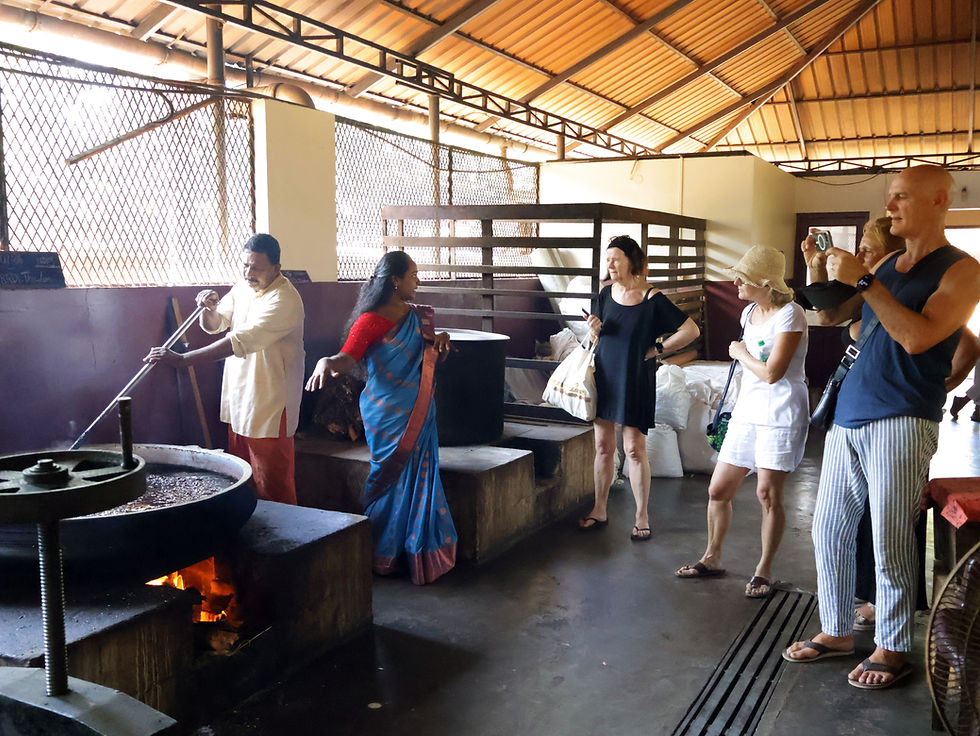
Most people think eating healthy just means counting calories or cutting carbs. But Ayurveda takes a completely different view, it says the food that's good for you depends on who you are, not just what's on the plate. Your body type, your digestive strength, your current health condition, the season you're in, even the time of day, all of it affects how food works in your system.
That sounds complicated at first. In practice, once you understand your dosha, choosing the right foods becomes fairly straightforward. And the results, better digestion, steadier energy, fewer cravings, clearer skin, usually come within a few weeks of eating in a way that matches your constitution.
Why Food Is Medicine in Ayurveda
In Ayurveda, every food carries specific qualities hot or cold, heavy or light, oily or dry. These qualities either balance or aggravate your dosha. Eating foods that have the opposite quality to your imbalance brings things back to centre. Eating foods that match your imbalance makes it worse.
This is not about restriction. A well-designed Ayurvedic diet is full of flavour, variety, and satisfaction. The difference is that the meals are chosen thoughtfully rather than by habit or convenience. At Nattika Ayurveda Retreats, nutrition forms a core part of every personalised treatment programme because what you eat daily often matters as much as the therapies themselves.
Understanding the Three Doshas and Food
Before jumping to recipes, it helps to understand the basics. The fundamental principle behind Ayurveda is the concept of ‘Five Elements - Earth, Water, Fire, Air and Space’. These five elements are present in the universe which are perceived by us through our sense organs. In a living being, these elements combine to form energy forces as three dosha, that deal with different functions of our body. The three doshas - Vatha, Pitha and Kapha, are the fundamental energies that govern how your body and mind work. Most people have one dominant dosha, and some have two in fairly equal measure.
Vatha Dosha - Warm, Grounding, Nourishing Foods
Vatha is made up of air and space elements. It tends to run cold and dry. People with a Vatha constitution often have light frames, quick minds, and a tendency towards anxiety or irregular digestion when out of balance. For Vatha, the goal is warmth, heaviness, and moisture.
Best foods for Vatha: sweet, salty and sour tastes in moderation are preferred, cooked grains like rice and oats, root vegetables, warm soups, ghee, sesame oil, ripe sweet fruits, dairy in moderation. Spices like ginger, cumin, and cinnamon work particularly well. Cold salads, raw foods, and very light meals tend to aggravate Vatha - they add more air and dryness to an already airy constitution.
A simple Vatha-balancing breakfast: warm rice/oats porridge cooked with a small amount of ghee, a pinch of cardamom, a handful of cooked raisins, and a drizzle of honey once off the heat.
Pitha Dosha - Cooling, Calming, Moderate-Weight Foods
Pitha is a combination of fire and water elements. People with a dominant Pitha tend to run hot physically and temperamentally. They often have strong digestion and sharp focus, but when Pitha is aggravated they can experience inflammation, skin issues, acid reflux, intolerance to heat or irritability.
Best foods for Pitha: sweet and bitter tastes are preferred, cool or room-temperature foods, coconut, cucumber and its varieties, leafy greens, fennel, coriander, basmati rice, lentils, and most sweet fruits. Avoid very spicy food, sour fermented foods, and excess red meat. Pithas often feel best eating their largest meal at midday when digestive fire is at its peak.
A Pitha-cooling lunch idea: basmati rice with dal/legumes cooked with coriander and a small amount of turmeric, different varieties of cooked vegetables, and steamed greens with a touch of coconut oil.
Kapha Dosha - Light, Warm, Stimulating Foods
Kapha is the combination of earth and water elements. Kapha types tend to have strong builds, calm dispositions, and excellent endurance. When out of balance, they can struggle with weight gain, sluggish digestion, congestion, or low motivation.
Best foods for Kapha: bitter and spicy tastes are preferred, light grains like millets and barley, most vegetables (especially leafy greens and bitter ones), legumes, pungent spices like black pepper, ginger, and mustard seeds, and warm herbal teas. Kapha does better with smaller meals and a lighter dinner. Heavy, sweet, oily foods add to Kapha's already earthy quality and slow things down further.
A Kapha-friendly dinner: a clear broth with mung beans or vegetables boiled, seasoned with spices like ginger, mustard seeds, turmeric, and seasonal cooked vegetables, warming, and light on the digestive system.
Ayurvedic Spices: Your Kitchen as a Medicine Cabinet
In Ayurvedic cooking, spices are not just for flavour. Each one has a specific therapeutic function. Turmeric reduces inflammation. Cumin supports digestion and relieves bloating. Fennel is cooling and helpful for Pitha. Asafoetida (hing) removes gas and inflammations, also useful for Vatha. Ginger stimulates digestive fire and is good for Kapha and Vatha.
Using these spices daily in cooking, in warm teas is one of the most practical ways to bring Ayurvedic nutrition into your home without overhauling everything at once.
Our ingredient stories section covers many of these in detail, including how they're sourced and used in traditional Kerala Ayurvedic practice.
Getting Personalised Guidance on Your Dosha Diet
Reading about doshas gives you a starting framework, but the real precision comes from working with a qualified Ayurvedic doctor who can assess your prakriti (natural constitution) and vikruti (current imbalance). These are not always the same, and eating for your vikruti is often more important in the short term.
Our Ayurveda and diet consultation with our doctors at Nattika covers exactly this: a personalised assessment of your dosha and specific food recommendations based on your current health. The Nattika Gurukulam also includes modules on Ayurvedic nutrition for those who want to go deeper.
If you'd like to experience Ayurvedic cooking the way it's practised in a traditional retreat setting, our Ayurveda cooking sessions are open to participants at all levels, whether you're curious about cooking for your dosha or want to learn how to prepare specific therapeutic recipes at home.
Start Ayurvedic Cooking With One Meal at a Time
Changing your entire diet overnight is not practical and rarely sticks. The better approach is to start with one meal a day, ideally breakfast and make it dosha-appropriate. Once that feels natural, adjust your lunch. Over a few weeks, you'll notice the difference in how you feel after meals: less heaviness, more consistent energy, fewer afternoon slumps.
If you want more guidance on how to bring this into a daily routine alongside other Ayurvedic practices, the Nattika Life Journal has articles on everything from morning routines to seasonal eating written by our Ayurvedic physicians.
Frequently Asked Questions
Q1. What is an Ayurvedic diet and how is it different from other diets?
An Ayurvedic diet is based on your individual body type (dosha) rather than a one-size-fits-all approach. Instead of counting calories, it focuses on the qualities of food whether they are heating or cooling, heavy or light and how those qualities affect your particular constitution. The goal is to balance your dosha through daily food choices, not to restrict or eliminate food groups.
Q2. How do I find out my dosha before choosing a diet plan?
The most accurate way is through an Ayurvedic consultation with a qualified doctor, who will assess both your natural constitution (prakriti) and current imbalance (vikruti). Online questionnaires can give a rough guide but are not a substitute for a proper assessment. At Nattika Life, our doctors offer online Ayurveda and diet consultations to help you understand your dosha and get a personalised nutrition plan.
Q3. Can I follow an Ayurvedic diet if I'm vegetarian or vegan?
Absolutely. Traditional Ayurvedic cooking is largely plant-based and centres on grains, legumes, vegetables, fruits, and spices. Dairy like ghee and warm milk are used in some recommendations, but plant-based alternatives can be substituted. An Ayurvedic doctor can help you adapt the recommendations to suit a fully vegan lifestyle while still addressing your dosha balance.
Q4. What are the most important spices in Ayurvedic cooking?
The most commonly used Ayurvedic spices are turmeric, cumin, coriander, ginger, fennel, cardamom, black pepper, mustard seeds, and asafoetida (hing). Each has specific therapeutic properties, for example, ginger and cumin stimulatea digestive fire, while fennel and coriander are cooling and good for Pitha. Pungent spices like black pepper, asafoetida(hing) are good for alleviating Kapha. Using these daily in cooking is one of the simplest ways to bring Ayurvedic nutrition into your routine.
Q5. Where can I learn Ayurvedic cooking in Kerala or online?
Nattika Life offers Ayurvedic cooking sessions online, where you learn to prepare dosha-balancing meals rooted in Kerala Ayurvedic tradition. The Nattika Gurukulam programme also includes detailed modules on Ayurvedic nutrition. For in-person experience, Nattika Beach Ayurveda Resort in Thrissur, Kerala, runs cooking sessions as part of their wellness retreat programmes.
DR. Aksa Anna Abraham


Comments